Certified True Copies in Alberta: Who Can Certify and How to Get It Right the First Time
Certified True Copies in Alberta: Who Can Certify and How to Get It Right the First Time
If a school registrar, financial institution, employer, or Immigration, Refugees and Citizenship Canada (IRCC) has asked you for a certified true copy, your first questions are usually: What exactly is it, and where can I get one?
Fortunately, the process is straightforward when you know what is required. This guide explains what certified true copies are, when they are needed, who can certify them in Alberta, the difference between notarization and commissioning, and how to avoid common mistakes that delay applications.
At Edmonton Notary Public, we provide same-day certified true copies in our office or through convenient mobile appointments across Edmonton. Where appropriate, we can also scan and email completed documents directly to schools, banks, regulators, or immigration representatives.
What is a certified true copy?
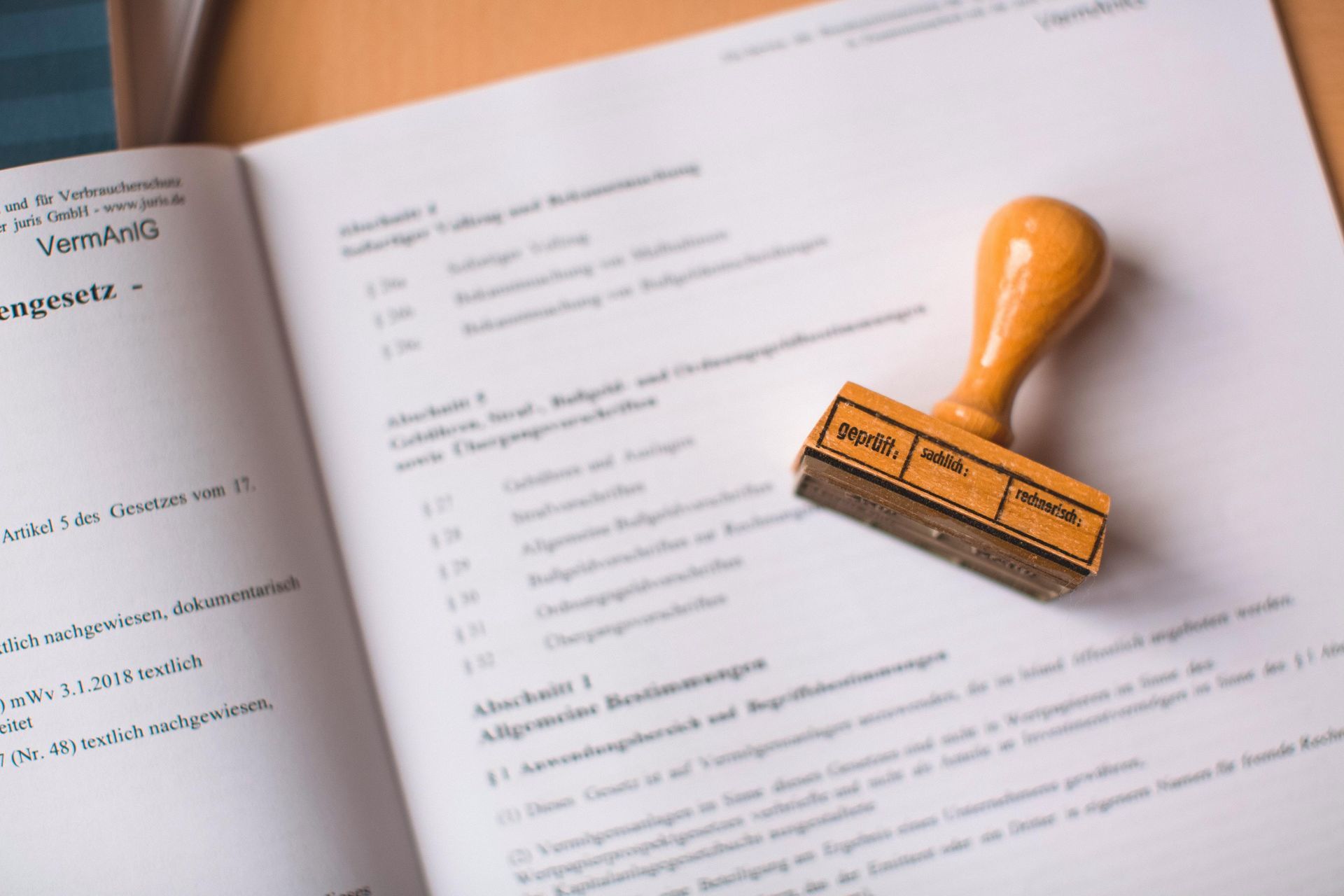
A certified true copy is a photocopy of an original document that has been compared against the original by an authorized professional. After confirming that the copy is a complete and accurate reproduction, the professional signs, dates, and stamps the copy with wording confirming its authenticity.
Importantly, certification does not verify that the information contained in the document is true. It simply confirms that the copy faithfully reproduces the original presented.
Commonly certified documents include:
- Passports
- Driver's licences
- Permanent Resident cards
- Birth and marriage certificates
- Diplomas and transcripts
- University degrees
- Work permits and visas
- Corporate records
- Powers of Attorney
- Financial statements and banking documents
When are certified copies required?
Many organizations prefer certified copies because they can review authenticated documents without taking possession of your originals.
Common requests come from:
- IRCC immigration and citizenship applications
- Banks and financial institutions
- Professional licensing bodies
- Universities and colleges
- Employers conducting background checks
- Foreign governments and consulates
- Legal and regulatory authorities
Always read the requesting organization's instructions carefully. Some specify exact certification wording, require colour copies, or ask that every page be individually certified.
Notarization vs. commissioning: understanding the difference
Notarization
A Notary Public may certify copies, witness signatures, administer oaths, and perform various official acts authorized under provincial law. For certified true copies, notarization is generally the most widely accepted option throughout Canada and internationally.
Commissioning
A Commissioner for Oaths primarily administers oaths and witnesses affidavits or statutory declarations. While Commissioners perform important legal functions, they may not have authority to certify true copies in circumstances where the receiving institution specifically requires notarization.
If instructions simply request a "certified true copy," obtaining certification from a Notary Public is usually the safest approach unless the receiving organization states otherwise.
Who can certify a true copy in Alberta?
In Alberta:
- A Notary Public can compare an original document with its copy and certify that the copy is a true reproduction.
- A Commissioner for Oaths may administer declarations regarding documents where legally appropriate, but this is not always accepted as a substitute for notarized certification.
Across Canada, Notaries Public—and in some jurisdictions lawyers acting as notaries or other authorized officials—may certify copies depending on provincial legislation and the recipient's requirements.
When uncertainty exists, confirm the recipient's policy before arranging certification.
How to obtain a certified true copy
1. Review the instructions
Check whether the requesting organization specifies:
- Particular wording
- Colour versus black-and-white copies
- Certification on every page
- Original signatures or seals
- Contact details for the certifier
2. Bring the original document
Certification requires inspection of the original document. Digital images, scans, or photographs cannot normally be used in place of the original.
3. Bring valid government-issued identification
Current photo identification helps confirm your identity and may be required for record-keeping purposes.
4. Request the appropriate certification wording
If IRCC, a university, or another institution has provided sample wording, bring it to your appointment so it can be incorporated where appropriate.
5. Decide how many certified copies you need
Ordering multiple certified copies during the same appointment is often more convenient than returning later.
6. Check the completed copies
Before leaving, verify that all stamps, signatures, dates, and required wording are clearly visible and appear on the appropriate pages.
7. Arrange submission if needed
If deadlines are tight, ask whether the completed certified copies can be scanned or emailed directly to the recipient after certification.
Considerations for IRCC, banks, and professional regulators
IRCC
Immigration applications frequently require certified copies of identity documents. Ensure both sides of any document containing information are copied and certified where necessary.
Banks and financial institutions
Financial institutions conducting Know Your Customer (KYC) checks may require certification by a Notary Public and may specify what information must accompany the certification.
Professional regulators
Many licensing bodies publish detailed certification requirements. Some require every page to be stamped or initialled, while others provide mandatory wording.
Following the recipient's instructions carefully helps avoid unnecessary delays.
Mobile and same-day notary services in Edmonton
If travelling is difficult or multiple people require certification at one location, Edmonton Notary Public offers convenient mobile appointments throughout Edmonton.
Subject to availability, same-day appointments can often be arranged. We can also assist with scanning and electronic delivery where appropriate, helping clients meet urgent filing or admission deadlines.
Quick checklist
Bring the following to your appointment:
- The original document
- Valid government-issued photo identification
- Any institution-specific certification instructions
- Recipient contact details if documents need to be forwarded
- The number of certified copies required
Frequently asked questions
Who can certify a true copy in Alberta?
A Notary Public can certify a true copy after comparing it with the original document. Requirements may vary depending on the organization requesting the certification.
Where can I obtain a certified true copy?
Certified true copies are commonly available through notary offices or mobile notary services. Availability may vary depending on your location.
Who can certify documents in Canada for IRCC?
IRCC generally accepts certified copies completed by appropriately authorized professionals such as Notaries Public, subject to its current application requirements.
How do I get a certified true copy?
Present the original document to a Notary Public, who compares it with the copy and certifies that it is a true reproduction by applying the appropriate wording, signature, date, and official stamp.
Summary
Obtaining a certified true copy is usually a quick and straightforward process when you know what the receiving organization requires. Bringing the original document, valid identification, and any special instructions helps avoid delays and repeat appointments.
If you need fast, reliable certified copies in Edmonton, Edmonton Notary Public offers both office and mobile appointments, together with convenient document scanning and delivery services where appropriate.